
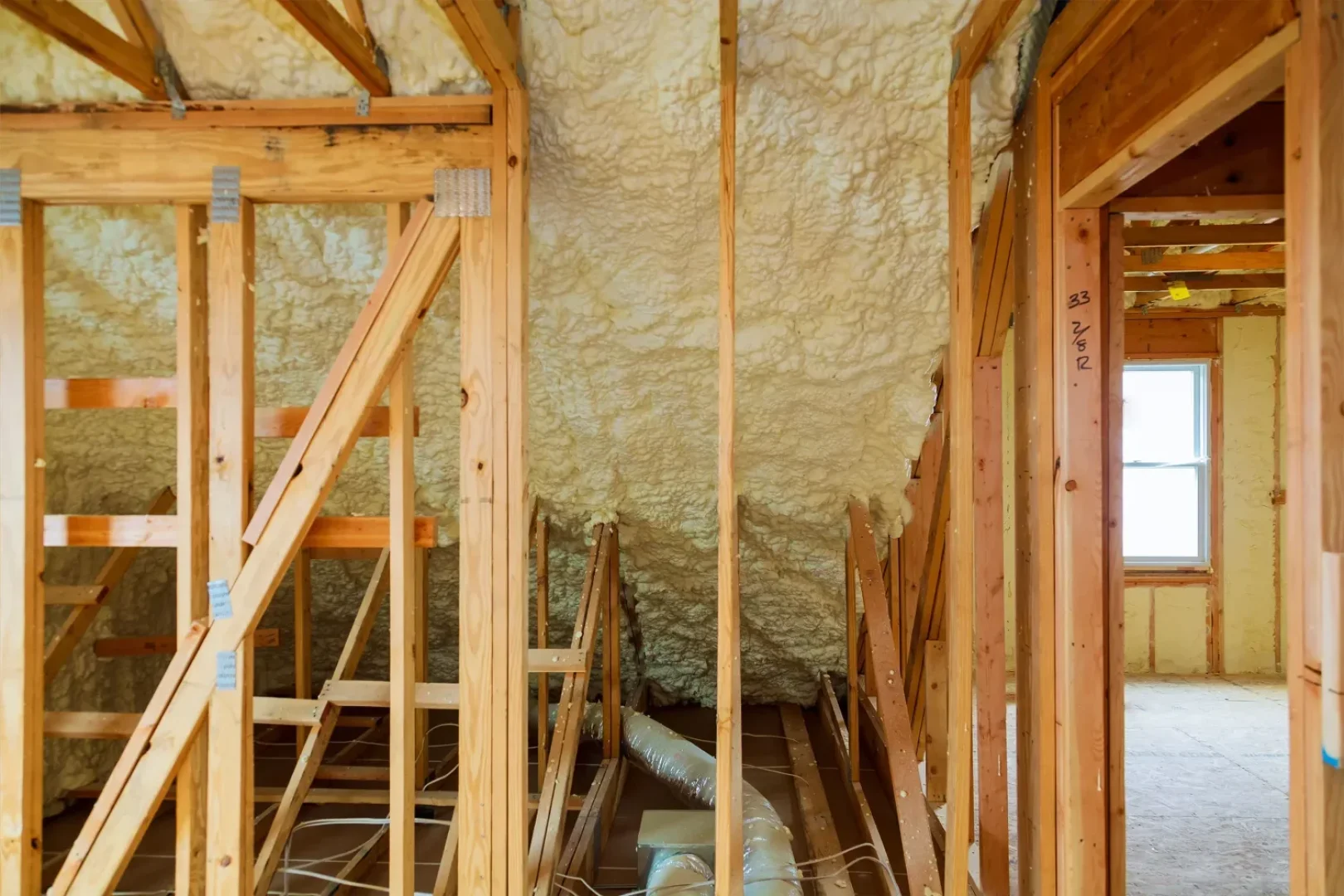
What is the Impact of Roof Insulation on Indoor Air Quality?
Roof insulation is crucial for improving the energy efficiency of buildings and ensuring indoor comfort. But did you know that roof insulation doesn't just save energy? Did you know that this important practice also positively impacts indoor air quality?
What are the benefits of roof insulation on indoor air quality?
First of all, roof insulation creates a healthier indoor air environment. Roof insulation prevents harmful substances from leaking into the building, thus maintaining indoor air quality. This ensures that the air occupants breathe is clean and healthy.
Roof insulation also regulates indoor temperature, preventing problems such as humidity and mold. Humid environments create a favorable environment for microorganisms to grow, which negatively impacts indoor air quality. However, roof insulation keeps indoor temperature under control and humidity levels balanced.
How does good roof insulation improve indoor air quality?
Roof insulation also reduces outside noise, creating a quiet and peaceful indoor environment. This helps building occupants live more comfortably and peacefully. Roof insulation also contributes positively to the environment by saving energy.
Roof insulation is crucial for improving indoor air quality. Therefore, it's important to regularly inspect a building's roof insulation and take the necessary precautions. By working with a professional insulation company, you can have your roof insulation inspected regularly and maintain indoor air quality.
Ucretsiz kesif ve hizli teklif
What is the Impact of Roof Insulation on Indoor Air Quality? icin ayni gun geri donus alin
- İç Anadolu ve Akdeniz hattında proje bazlı mobil servis
- Sprey poliuretan kopuk yalitim ve polyurea kaplama uygulamalari
- Telefon, WhatsApp veya teklif formu ile kolay basvuru