
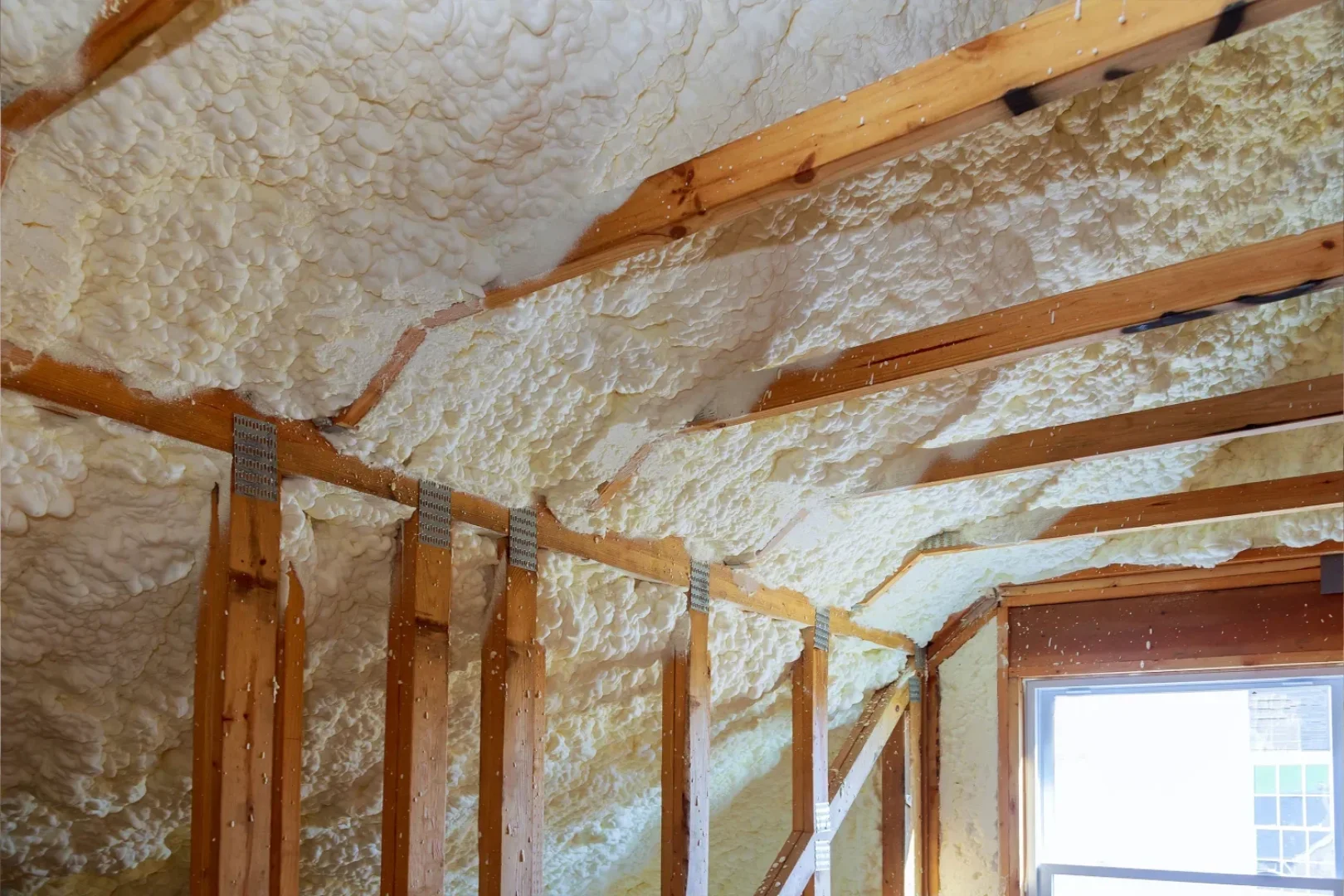
What are the Environmentally Friendly Foam Board Insulation Applications?
Foam board insulation is a preferred type of insulation used to increase the energy efficiency of buildings and create more environmentally friendly structures. So, how can these application methods be environmentally friendly? Here are the processes that minimize the ecological footprint:
1. Use of Recycled Materials: Using recycled materials in the production of foam board insulation helps conserve natural resources and reduces waste.
2. Increasing Energy Efficiency: The insulating properties of foam boards reduce energy consumption in buildings, minimizing their negative environmental impact. This also reduces their carbon footprint.
3. Long-Lasting and Durable Buildings: Foam board insulation applications enable the creation of long-lasting and durable buildings. This reduces maintenance and repair costs, enabling more efficient use of resources.
4. Sustainable Production Processes: Using sustainable production processes in the production of foam board insulation materials minimizes the use of environmentally harmful chemicals and preserves the natural balance.
5. Waste Management: Managing the waste generated from foam board insulation applications is also crucial. Recycling or disposing of this waste without harming nature represents an environmentally friendly approach.
Environmentally friendly foam board insulation applications aim to increase the energy efficiency of buildings while minimizing negative environmental impacts. This results in more sustainable and ecological structures.
Ucretsiz kesif ve hizli teklif
What are the Environmentally Friendly Foam Board Insulation Applications? icin ayni gun geri donus alin
- İç Anadolu ve Akdeniz hattında proje bazlı mobil servis
- Sprey poliuretan kopuk yalitim ve polyurea kaplama uygulamalari
- Telefon, WhatsApp veya teklif formu ile kolay basvuru