
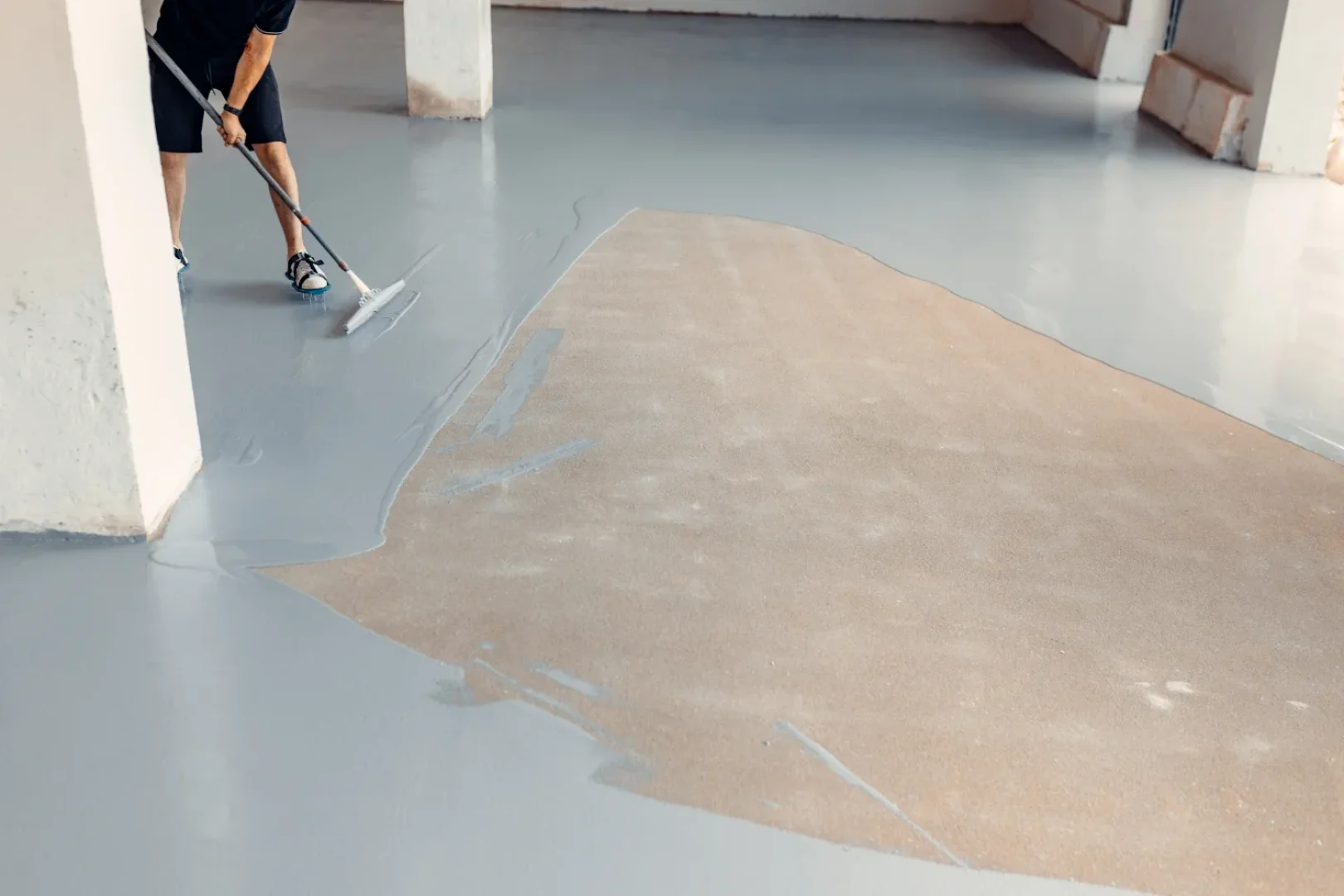
What are the Environmental Impacts of Thermal and Water Insulation?
Thermal and water insulation is a crucial application for increasing energy efficiency and ensuring sustainability in buildings. However, the environmental impacts of this application should not be overlooked. What are the contributions of thermal and water insulation to environmental impacts?
Environmental Benefits of Thermal Insulation:
1. Energy Savings: Good thermal insulation allows buildings to consume less energy. This means less consumption of natural resources.
2. Reduced Carbon Footprint: Thermal insulation reduces the energy consumption of buildings and therefore reduces carbon emissions. This contributes positively to the fight against global warming.
Environmental Benefits of Waterproofing:
1. Water Loss Prevented: Good waterproofing prevents water leaks and prevents water loss in buildings. This allows for more efficient water use.
2. Mold and Fungus Growth Reduced: Proper waterproofing prevents moisture and water from damaging buildings. This reduces mold and fungus growth in interior spaces, providing a healthy living environment.
Thermal and waterproofing, when implemented in line with zero waste goals, contribute positively to the environment. Therefore, the importance of thermal and waterproofing should not be overlooked during the construction phase of buildings and during renovations to existing buildings.
Ucretsiz kesif ve hizli teklif
What are the Environmental Impacts of Thermal and Water Insulation? icin ayni gun geri donus alin
- İç Anadolu ve Akdeniz hattında proje bazlı mobil servis
- Sprey poliuretan kopuk yalitim ve polyurea kaplama uygulamalari
- Telefon, WhatsApp veya teklif formu ile kolay basvuru