
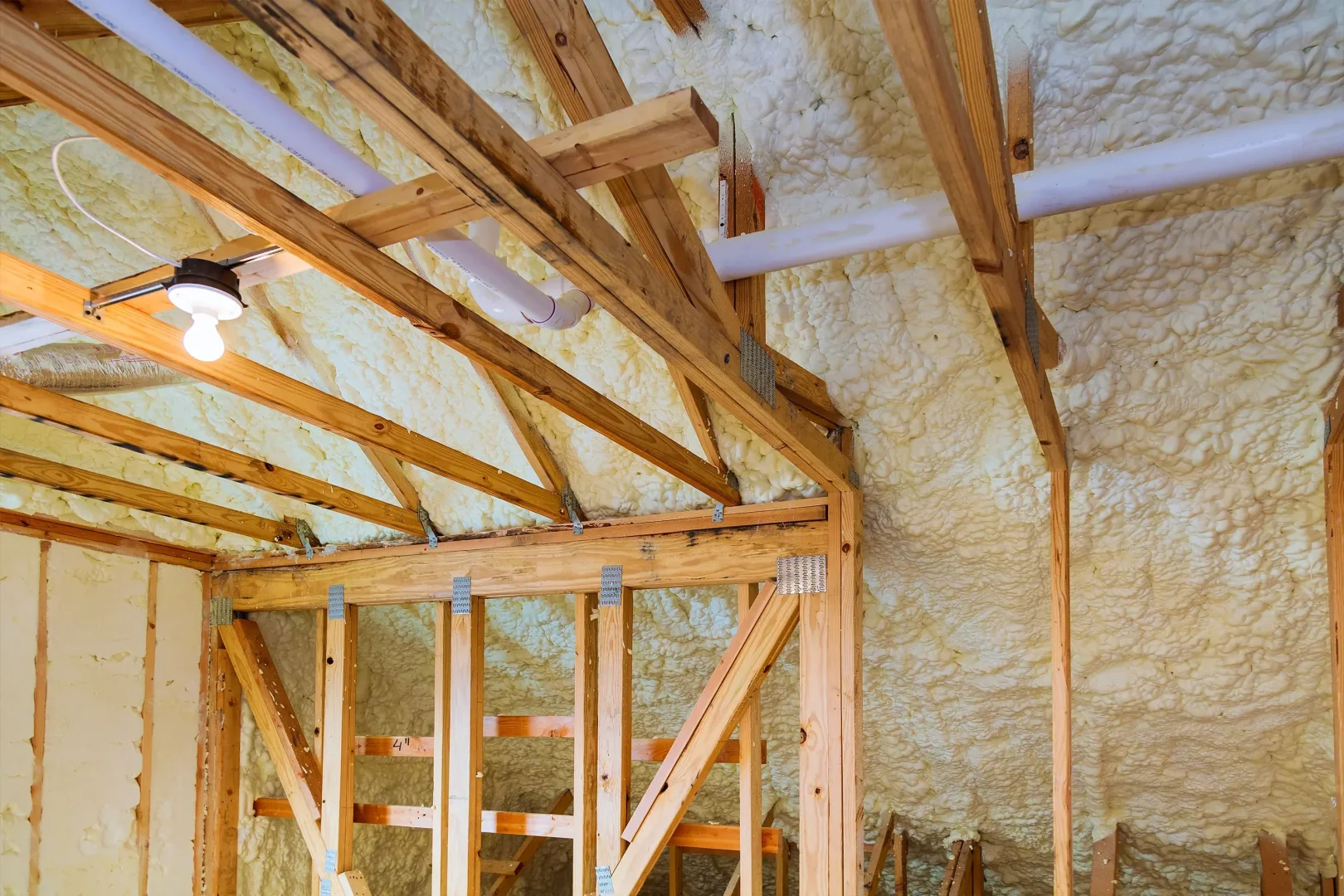
What are the Environmental Impacts of Spray Foam Insulation and How Does It Comply with Zero Waste Goals?
Spray foam insulation is a type of insulation used to increase the energy efficiency of buildings and ensure temperature control. However, the environmental impact of this insulation material should not be overlooked. The positive environmental impact of spray foam insulation is also highlighted by its compatibility with zero waste goals.
Spray foam insulation helps reduce carbon emissions by saving energy in the area where it is installed. This contributes to environmental protection and mitigating the effects of climate change. Furthermore, the material's durability and longevity reduce waste and ensure efficient use of resources.
The compatibility of spray foam insulation with zero waste goals is made possible by its production from recyclable and environmentally friendly materials. Minimizing waste, starting from the material production stage, supporting recycling processes, and creating environmentally friendly products are important steps in achieving zero-waste goals.
Spray foam insulation stands out as an environmentally responsible insulation solution. It contributes to energy efficiency, helps protect the environment, and helps comply with zero-waste goals. Therefore, choosing spray foam for building insulation makes it possible to minimize environmental impact and contribute to a sustainable future.
Ucretsiz kesif ve hizli teklif
What are the Environmental Impacts of Spray Foam Insulation and How Does It Comply with Zero Waste Goals? icin ayni gun geri donus alin
- İç Anadolu ve Akdeniz hattında proje bazlı mobil servis
- Sprey poliuretan kopuk yalitim ve polyurea kaplama uygulamalari
- Telefon, WhatsApp veya teklif formu ile kolay basvuru