
How Should Cost Analysis and Pricing Be Conducted for Ship and Boat Paints?
Cost analysis and accurate pricing strategies are crucial for the success of businesses in the ship and boat paint industry. Therefore, evaluating costs as a value-added investment can provide a competitive advantage in the industry. So, how should cost analysis be conducted for ship and boat paints?
First and foremost, the quality and durability of the paint are among the determining factors in cost analysis. Choosing a high-quality paint can reduce costs in the long run and extend the life of the ship or boat. Therefore, the paint's properties should be examined in detail in the cost analysis.
Another important point is labor costs. The labor required for paint application should be considered in the cost analysis. A qualified and experienced team can minimize labor costs and improve the quality of the work.
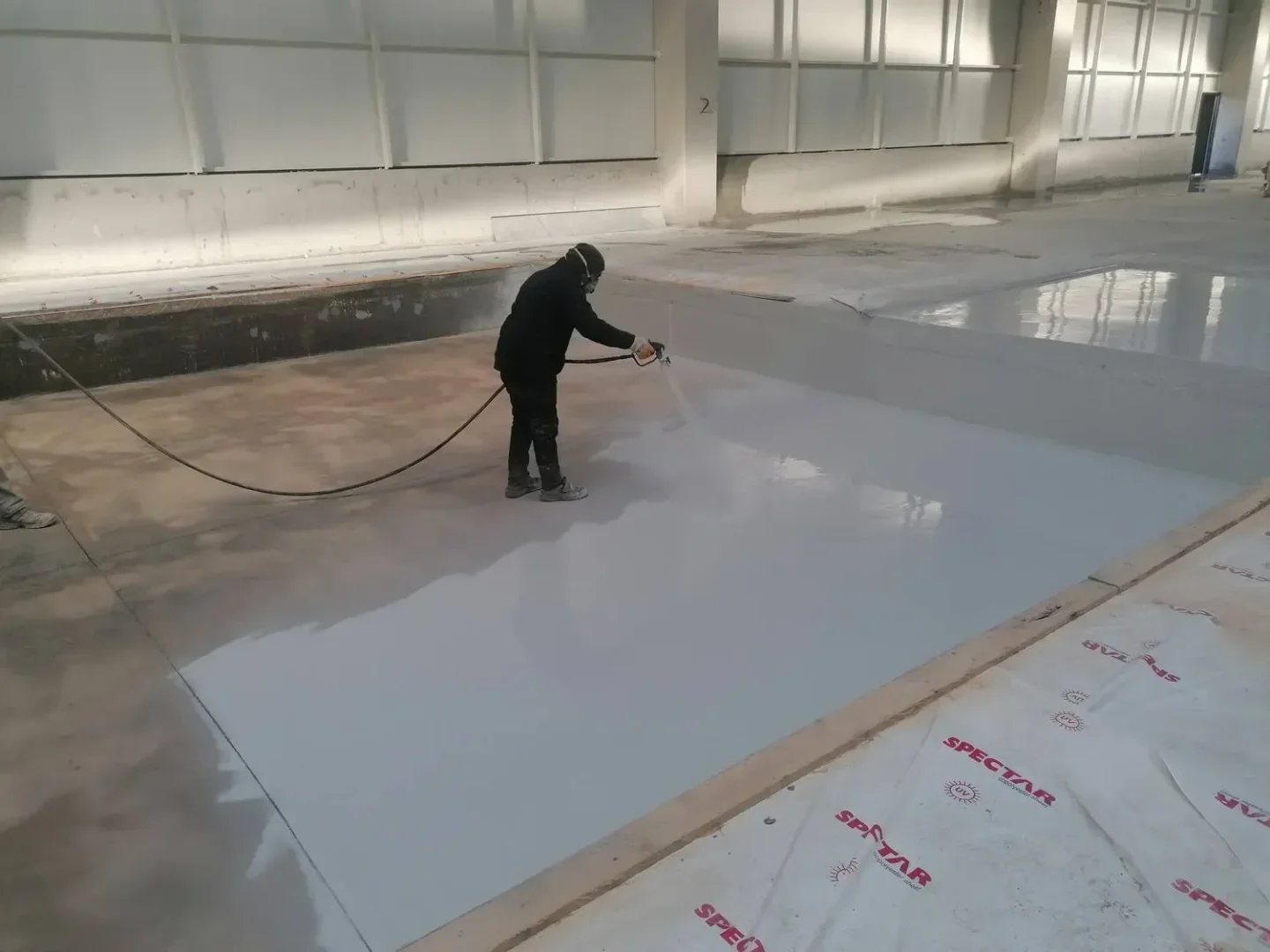
Additionally, the condition of the surface on which the paint will be applied should also be considered in the cost analysis. If there are cracks, rust, or other damage on the surface, repairs to these issues can increase the cost. Therefore, the budget allocated for surface preparation and repair should also be determined in the cost analysis.
Finally, developing a competitive pricing strategy is also important. Analyzing the pricing policies of competing companies and determining the right price range can be effective in attracting customers and building a loyal customer base.
Developing sound cost analysis and pricing strategies for ship and boat paints can increase the profitability of businesses and enhance their competitiveness in the industry. Therefore, prioritizing cost evaluation as a value-added investment is essential for a successful business.
Ucretsiz kesif ve hizli teklif
How Should Cost Analysis and Pricing Be Conducted for Ship and Boat Paints? icin ayni gun geri donus alin
- İç Anadolu ve Akdeniz hattında proje bazlı mobil servis
- Sprey poliuretan kopuk yalitim ve polyurea kaplama uygulamalari
- Telefon, WhatsApp veya teklif formu ile kolay basvuru