
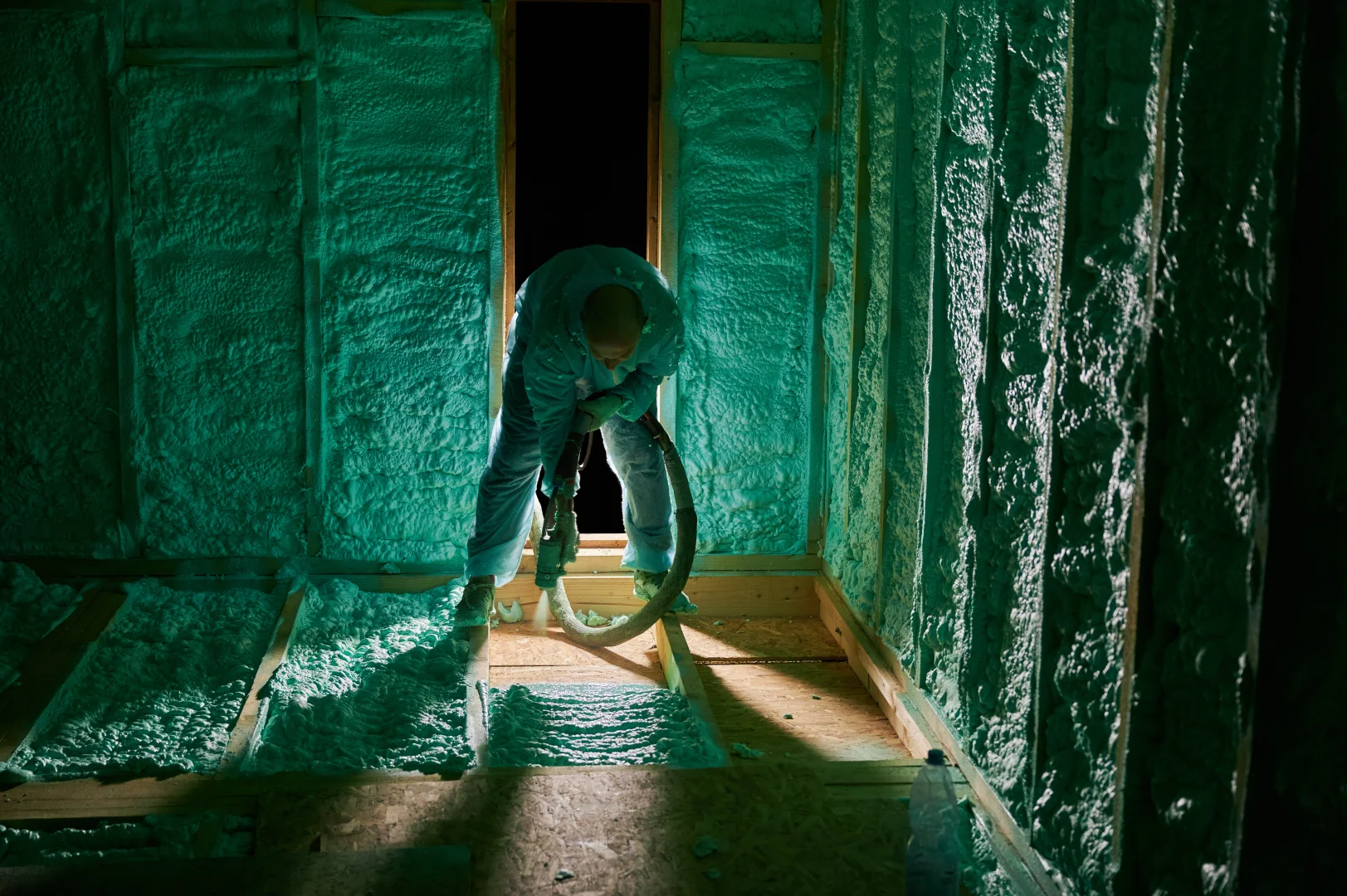
Foam Board Insulation: Contributing to Biodiversity with Environmentally Friendly Production
Foam board insulation is a frequently preferred and energy-saving insulation material in the construction industry. However, the environmental impacts of its production process and use must be considered. Therefore, production methods that respect biodiversity should be preferred.
Using recycled materials in foam board insulation production contributes to the conservation of natural resources and the sustainability of biodiversity. Furthermore, minimizing waste and emissions during the production process reduces negative environmental impacts.
Foam board insulation with environmentally friendly production methods contributes to the preservation of biodiversity. Using materials sourced from sustainable forestry practices helps prevent deforestation and reduce habitat loss.
Foam board insulation also contributes to energy efficiency, helping to reduce environmental impacts. By providing thermal insulation and reducing building energy consumption, foam boards help reduce carbon footprints and combat climate change.
In conclusion, choosing environmentally friendly and biodiversity-friendly methods in foam board insulation production contributes to the conservation of natural resources and a sustainable future. Therefore, it is important to adopt sound practices to minimize environmental impacts when using foam board insulation.
Ucretsiz kesif ve hizli teklif
Foam Board Insulation: Contributing to Biodiversity with Environmentally Friendly Production icin ayni gun geri donus alin
- İç Anadolu ve Akdeniz hattında proje bazlı mobil servis
- Sprey poliuretan kopuk yalitim ve polyurea kaplama uygulamalari
- Telefon, WhatsApp veya teklif formu ile kolay basvuru