
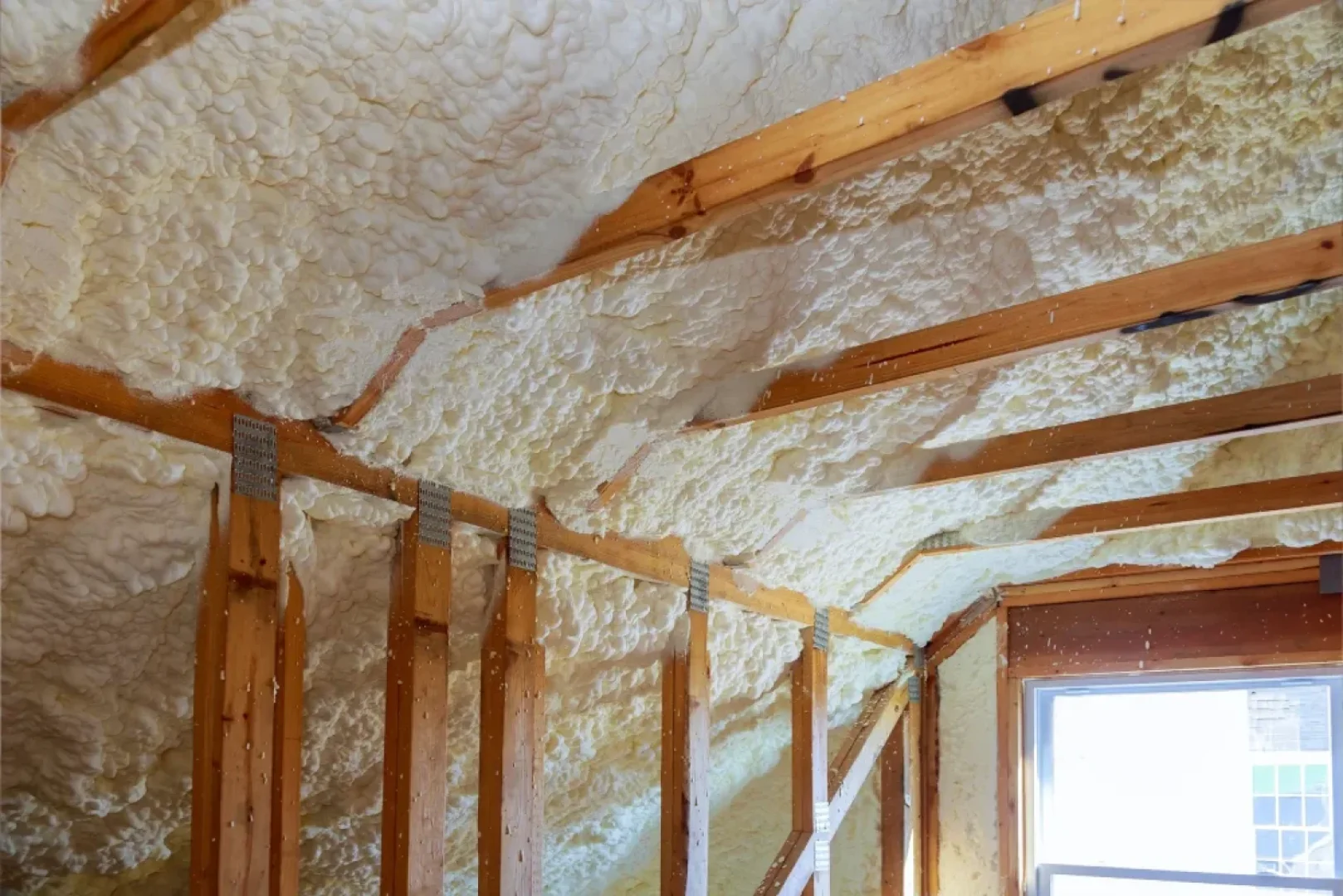
Application Differences Based on Climate Conditions - Cooling Effect in Hot Climates, Warming Effect in Cold Climates
Thermal and Water Insulation services are crucial for increasing the energy efficiency of buildings, making interior spaces comfortable, and extending the lifespan of buildings. Climate conditions also play a significant role in insulation applications. It's especially important to understand the differences in applications performed in hot and cold climates to achieve more effective results.
Insulation applications performed in hot climates generally aim to provide a cooling effect. In such climates, sunlight frequently penetrates the interior and overheats the building. Therefore, insulation materials that reflect sunlight and reduce indoor temperature are preferred. Waterproofing, which also prevents moisture from entering, is also important.
In cold climates, the goal of insulation applications is generally to increase the heating effect. In such climates, cold air from outside can affect the interior and cause heat loss. To prevent this, materials that provide high levels of insulation are preferred. Waterproofing also protects buildings from the risk of freezing.
Thermal and waterproofing applications, tailored to climate conditions, reduce building energy consumption, increase indoor comfort, and ensure building durability. With the right material selection and professional installation, it's possible to achieve insulation solutions tailored to climate conditions. This allows buildings to be used more efficiently in both hot and cold climates.
Ucretsiz kesif ve hizli teklif
Application Differences Based on Climate Conditions - Cooling Effect in Hot Climates, Warming Effect in Cold Climates icin ayni gun geri donus alin
- İç Anadolu ve Akdeniz hattında proje bazlı mobil servis
- Sprey poliuretan kopuk yalitim ve polyurea kaplama uygulamalari
- Telefon, WhatsApp veya teklif formu ile kolay basvuru